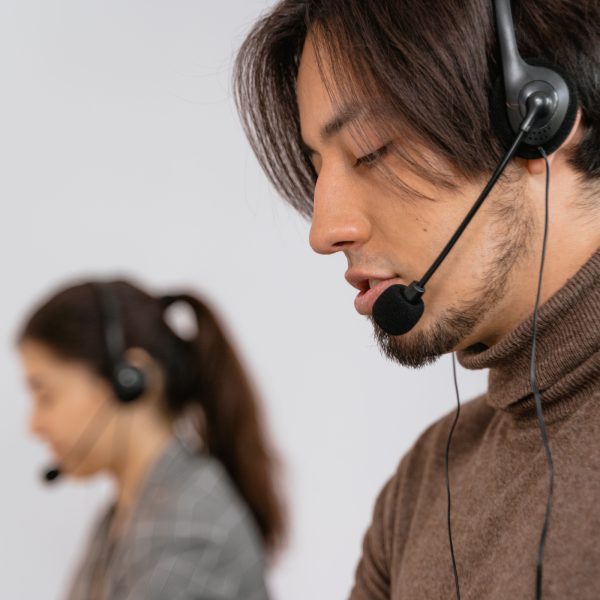
Over-the-phone interpretation has become a vital language access solution for medical clinics that serve diverse communities. Instead of relying on in-person interpreters who may not always be available, clinics can connect with professional linguists by phone within moments. This approach supports accurate communication between healthcare staff and patients, helps reduce misunderstandings during consultations, and ensures that everyone involved clearly understands diagnoses, treatment options, and follow-up instructions.
1. What Is Over-the-Phone Interpretation in Medical Settings
Over-the-phone interpretation (OPI) is a remote interpreting service that connects patients and healthcare providers to a qualified interpreter via telephone. The interpreter listens to one speaker, renders their words into the target language, and then interprets the response back to the original speaker. This enables a real-time, two-way conversation without the need for physical presence, which is especially useful in busy clinics, emergency visits, or when patients arrive without prior notice.
2. Why Medical Clinics Rely on Over-the-Phone Interpretation
Medical clinics increasingly rely on OPI services because they offer speed, flexibility, and cost-effectiveness. Clinics can access interpreters on demand, across many languages, and at any time of the day. This is crucial when immediate understanding is necessary for triage, consent forms, or emergency procedures. For clinics that frequently serve patients who speak Mandarin, Cantonese, or other regional dialects, professional english to chinese translation and interpretation support ensures that nothing gets lost in translation during critical conversations.
3. How the Connection Process Works Step by Step
When a patient arrives who does not share a common language with clinic staff, the front desk or nurse initiates the OPI process. Typically, they dial a dedicated access number provided by the language service company. After entering an account code or selecting the required language from a menu, the system automatically routes the call to an available interpreter. In many cases, the interpreter connects in under a minute. The healthcare provider then introduces themselves, identifies the patient, and explains the purpose of the visit so the interpreter can follow the context from the start.
4. Three-Way Communication in the Examination Room
Once connected, the interpreter facilitates a three-way conversation between the patient and the medical professional. The phone may be set to speaker mode or connected to a dual-handset device, allowing everyone to hear and speak clearly. The provider speaks directly to the patient in short segments, pausing for the interpreter to convey each message. The interpreter then relays the patient’s responses back to the provider. This structure allows both sides to speak naturally, while the interpreter preserves meaning, medical terminology, and the emotional tone as closely as possible.
5. The Role of Professional Medical Interpreters
Professional medical interpreters do far more than translate isolated words. They are trained to handle complex medical terminology, drug names, and culturally sensitive topics. In over-the-phone interpretation, interpreters must also compensate for the lack of visual cues by listening carefully to tone and context. They focus on accuracy, impartiality, and confidentiality. Their goal is to convey every message fully and faithfully, ensuring both patient and provider share a common understanding despite the language barrier.
6. Ensuring Confidentiality and Compliance
Medical clinics must comply with regulations related to patient privacy and informed consent. Over-the-phone interpretation providers implement strict confidentiality protocols, secure networks, and detailed training on patient privacy laws. Interpreters are bound by professional codes of ethics that prohibit them from disclosing any patient information. Clinics can document the use of OPI in patient records, which supports compliance audits and demonstrates efforts to provide equitable care for non-English-speaking patients.
7. Supporting Accurate Diagnoses and Treatment Plans
Accurate communication is at the core of quality healthcare. Over-the-phone interpretation helps clinicians obtain detailed medical histories, clarify symptoms, and explain diagnostic tests. Patients can ask questions, share previous conditions, or discuss medications they are already taking, all through a trained interpreter. This reduces the risk of misdiagnosis, incorrect prescriptions, and misunderstandings about treatment plans, follow-up visits, or lifestyle recommendations. When patients clearly understand what is happening, they are more likely to adhere to medical advice.
8. Handling Emergencies and Unscheduled Visits
Medical emergencies and walk-in visits rarely allow time to arrange an in-person interpreter. Over-the-phone interpretation gives clinics immediate access to language support, even during nights, weekends, and holidays. Nurses and doctors can connect to an interpreter in the triage area, emergency room, or urgent care setting, helping them ask critical questions about pain levels, allergies, and recent events. This rapid language solution can be a crucial factor in stabilizing patients and avoiding dangerous delays in treatment.
9. Integrating Over-the-Phone Interpretation into Clinic Workflows
Successful implementation of OPI requires clear workflows and staff training. Clinics typically identify language needs at registration and flag patient records accordingly. Staff learn how to initiate calls, introduce the interpreter, and manage the conversation. Many clinics keep OPI access numbers near every phone or embed them into their call systems. By standardizing these steps, clinics make language access part of their routine process rather than an improvised solution, ensuring consistent support at each patient encounter.
10. Training Staff to Work Effectively with Interpreters
Healthcare providers and administrative staff benefit from brief training on how to communicate through an interpreter. Key practices include speaking in the first person, addressing patients directly, using plain language, and pausing regularly. Staff also learn to avoid side conversations and to give the interpreter time to convey full explanations. When everyone involved understands their role in the interpreted encounter, conversations become smoother, more efficient, and more respectful for patients who depend on language services.
11. Advantages Over In-Person Interpretation and Bilingual Staff
Although in-person interpreters and bilingual staff can be valuable, they are not always available for every language or every shift. Over-the-phone interpretation offers broader language coverage and 24/7 availability without requiring interpreters to travel. It also reduces scheduling conflicts, missed appointments due to unavailable interpreters, and the risk of using untrained family members or ad hoc bilingual staff for complex medical conversations. Clinics can reserve in-person interpreting for specific cases, such as long counseling sessions, while relying on OPI for most day-to-day interactions.
12. Improving Patient Satisfaction and Community Trust
When patients feel heard and understood, they are more likely to trust the clinic and return for preventive care. Over-the-phone interpretation sends a clear message that linguistic diversity is welcomed and respected. Patients can describe their symptoms in their native language, understand treatment options, and ask questions about side effects or long-term care. This positive experience leads to higher satisfaction scores, more consistent follow-up visits, and a stronger reputation for the clinic within multilingual communities.
Conclusion: Making Language Access a Standard of Care
Over-the-phone interpretation has transformed how medical clinics deliver care to patients who speak different languages. By providing rapid access to qualified interpreters, clinics can offer safe, accurate, and respectful communication at every stage of the patient journey. Integrating OPI into daily workflows, training staff, and choosing reliable language partners allows clinics to treat language access as a core component of quality healthcare, not a last-minute workaround. In a world where communities are increasingly multilingual, over-the-phone interpretation is no longer optional; it is an essential tool for delivering equitable medical services to all patients.